
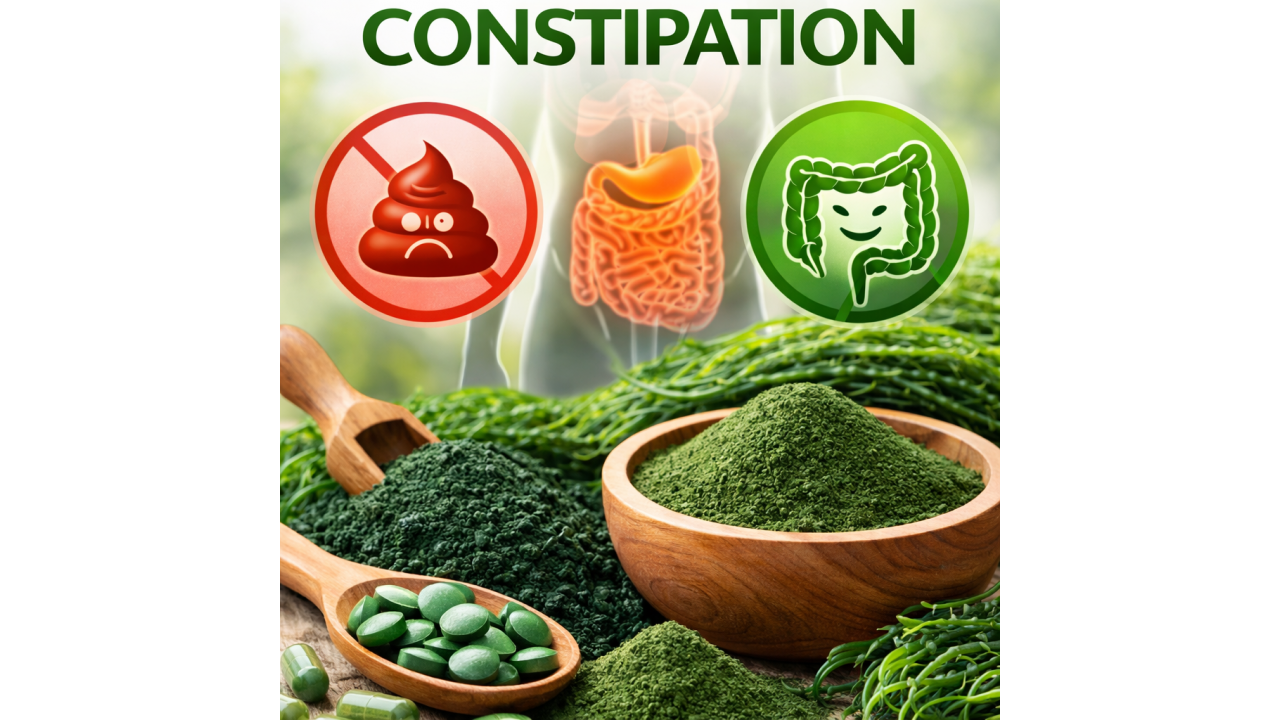
Spirulina and Constipation – how this microalga supports digestion and intestinal balance
Introduction
Constipation is one of the most common functional disorders of the digestive system. It is characterized by infrequent bowel movements, hard stools, or difficulty during defecation, which may lead to discomfort, abdominal bloating, and a feeling of incomplete bowel evacuation.
Modern lifestyle factors such as a low-fiber diet, insufficient fluid intake, stress, and lack of physical activity are among the main contributors to constipation.
In recent years, growing attention has been given to natural substances that may help support normal intestinal function. Among them is the microalga Arthrospira platensis, commonly known as spirulina.
Spirulina is widely used as a dietary supplement due to its rich composition of proteins, vitamins, minerals, antioxidants, and bioactive compounds, which may support various physiological processes, including digestion.
What is constipation
Constipation is generally defined as fewer than three bowel movements per week, often accompanied by difficulty passing stools.
The most common symptoms include:
-
hard or dry stools
-
straining during bowel movements
-
feeling of incomplete bowel evacuation
-
abdominal bloating
-
abdominal discomfort
Constipation may be temporary or chronic and often results from a combination of different factors.
Main causes of constipation
Insufficient fiber intake
Dietary fiber plays a key role in normal intestinal motility. A diet low in plant fibers may lead to slower movement of food through the digestive tract.
Insufficient fluid intake
Fluids are essential for maintaining normal stool consistency. Inadequate water intake may lead to hard stools and difficult bowel movements.
In addition to adequate water intake, electrolytes also play an important role in the normal function of muscles and the nervous system, including intestinal motility.
The main electrolytes include:
-
sodium
-
potassium
-
magnesium
-
calcium
Electrolyte balance supports the muscular contractions of the intestines, which are necessary for the normal movement of food through the digestive system.
Sedentary lifestyle
Physical activity stimulates intestinal motility. Lack of movement may slow down digestive function.
Imbalance of the gut microbiota
The gut microbiota is a complex ecosystem of microorganisms that play an important role in:
-
digestion
-
immune function
-
metabolic processes
An imbalance in intestinal flora may affect normal bowel function.
What is spirulina
Spirulina is a microalga belonging to the species Arthrospira platensis, widely used as a dietary supplement due to its rich nutritional profile.
It contains:
-
55–70% protein
-
B-group vitamins
-
iron
-
magnesium
-
potassium
-
antioxidant pigments
-
bioactive polysaccharides
One of the most important bioactive components of spirulina is phycocyanin, a blue pigment with antioxidant properties.
How spirulina supports digestion
Support for gut microbiota
Spirulina contains bioactive compounds that may help support the balance of beneficial bacteria in the gut.
Maintaining a healthy microbiota is important for:
-
normal intestinal motility
-
regular bowel movements
-
digestive comfort
Support for intestinal motility
The nutrients in spirulina participate in various metabolic processes that may support the normal function of the digestive system.
Antioxidant protection of the digestive system
Phycocyanin and other antioxidants in spirulina may help support cellular protection against oxidative stress, which is also important for digestive health.
What amount of spirulina is typically used
In dietary supplements, spirulina is usually consumed in amounts between:
1 and 5 grams per day
For concentrated extracts, the dosage may be lower depending on the content of active compounds such as phycocyanin.
The dosage may vary depending on:
-
the concentration of the product
-
individual needs
-
manufacturer recommendations
Importance of spirulina quality
The quality of spirulina is extremely important because microalgae can absorb substances from their environment.
High-quality spirulina should meet several key criteria.
Controlled cultivation
Spirulina should be cultivated in a controlled environment to ensure purity and safety.
Laboratory testing
High-quality products are tested for:
-
heavy metals
-
microbiological purity
-
algal toxins
Standardized active compounds
Some products contain standardized extracts with a defined phycocyanin content, which ensures consistency and quality.
How to support normal intestinal function
In addition to dietary supplements, several lifestyle habits may help maintain normal bowel function:
-
increased fiber intake
-
adequate water and electrolyte intake
-
regular physical activity
-
balanced and varied nutrition
-
maintenance of a healthy gut microbiota
Conclusion
Constipation is a common digestive disorder that may be influenced by diet and lifestyle.
Spirulina (Arthrospira platensis) is a rich source of nutrients and bioactive compounds that may help support intestinal balance, gut microbiota, and normal digestive function.
The combination of balanced nutrition, adequate intake of fluids and electrolytes, physical activity, and appropriate dietary supplements may contribute to healthy digestive function and intestinal comfort.
Leave a Comment